Description
Buy Dexedrine Online
Finding a reliable source to buy Dexedrine online without going through unnecessary hurdles can be a challenge—especially when you need it urgently. At Ainmeds Pharmacy, we offer an efficient, discreet, and secure way to purchase Dexedrine without needing a prescription. Whether you’re managing ADHD or narcolepsy, you deserve a solution that respects your privacy, saves time, and delivers real results.
We’re proud to be the go-to destination for thousands of customers around the world who trust us for genuine, pharmaceutical-grade medications. Our overnight delivery options, stealth packaging, and 100% satisfaction guarantee are just a few of the reasons why customers continue to rely on us.
We do more than just ship pills—we provide a confidential, judgment-free experience that prioritizes your health and convenience. Every package is sent in non-descriptive packaging with a unique tracking number, so you can monitor your delivery from dispatch to doorstep. With no prescription required and multiple secure payment options, we make it easy to get the medication you need—when you need it most.
How to Order Dexedrine Online
Ordering Dexedrine from Ainmeds Pharmacy is designed to be simple, fast, and secure. We’ve eliminated the traditional barriers—like doctor appointments or pharmacy lines—so you can focus on what matters most: your health.
Here’s a breakdown of the streamlined process:
-
Choose Your Quantity
Select the dosage strength and quantity that fits your needs. Please note that we require a minimum order of 100 pills to ensure optimal pricing and shipping efficiency.
-
Add to Cart & Checkout
With one click, your Dexedrine is added to your secure cart. Our checkout system is encrypted, protecting all personal and payment information.
-
Select Payment Method
Choose from Bitcoin, bank transfer, Zelle, CashApp, or Western Union. All these methods are safe, discreet, and globally accessible. We currently do not accept credit card payments.
-
Input Shipping Details
Provide your delivery address. No prescription is required. You may also include any delivery instructions for added privacy or convenience.
-
Receive Confirmation & Tracking Number
After payment confirmation, we dispatch your order quickly and provide you with a tracking number for real-time delivery updates.
-
Discreet Delivery
Your Dexedrine will arrive in plain, unmarked packaging, offering complete privacy with no indication of the contents inside.
Our ordering process has been refined for customers who value confidentiality, speed, and peace of mind.
Dexedrine Product Specification Table
| Feature |
Description |
Available Strengths |
Packaging Type |
| Product Name |
Dexedrine (Dextroamphetamine Sulfate) |
5 mg, 10 mg |
Blister packs / Bottles |
| Prescription Requirement |
Not required when ordering from Cure Pharmacy |
N/A |
Stealth packaging |
| Primary Uses |
ADHD, Narcolepsy |
As directed by a specialist |
GMP-standard |
| Dosage Form |
Oral tablets |
Immediate release |
Tamper-proof, discreet |
| Onset of Action |
Typically within 30 to 60 minutes after ingestion |
|
|
| Duration of Effect |
4 to 6 hours (short-acting formula) |
|
|
| Mechanism of Action |
CNS stimulant that increases dopamine and norepinephrine activity |
|
|
| Storage Requirements |
Store at 20°C to 25°C (68°F to 77°F); keep dry and away from sunlight |
|
|
| Regulatory Classification |
Schedule II Controlled Substance |
|
|
| Manufacturer Origin |
FDA-approved generic sources from licensed GMP manufacturers |
|
|
Dexedrine Product Comparison Table
| Feature |
Dexedrine |
Adderall |
Ritalin |
Vyvanse |
| Active Ingredient |
Dextroamphetamine sulfate |
Mixed amphetamine salts |
Methylphenidate |
Lisdexamfetamine |
| Duration |
4–6 hours (short-acting) |
4–6 hours (IR), 10–12 hours (XR) |
3–4 hours (IR), 6–8 hours (SR) |
10–14 hours |
| Effect Onset |
30–60 minutes |
30–60 minutes |
20–40 minutes |
1–2 hours |
| Best Used For |
ADHD, Narcolepsy |
ADHD, Narcolepsy |
ADHD |
ADHD |
| Abuse Potential |
High (Schedule II) |
High (Schedule II) |
Moderate |
Lower (prodrug formulation) |
| Formulations |
Tablet, Spansule (ER) |
IR and XR capsules |
IR and SR tablets |
Single extended-release capsule |
| Generic Availability |
Widely available |
Widely available |
Widely available |
Limited |
| Tolerance Buildup |
Moderate to high |
Moderate |
Moderate |
Low to moderate |
Why Choose Cure Pharmacy
Choosing the right online pharmacy can make a major difference in your overall experience—from how quickly your medication arrives to how confidently you can trust the source. At Ainmeds Pharmacy, we’ve built our reputation around quality, discretion, and customer-first service.
Here’s what sets us apart:
-
No Prescription Required
We understand the inconvenience and delays of obtaining a prescription. That’s why we’ve made it possible to legally purchase Dexedrine from us without needing one, making the process faster and less stressful.
-
Discreet Packaging and Delivery
Your privacy is our top priority. Every order is shipped in non-identifiable, neutral packaging with no mention of the contents or pharmacy. This ensures your medication arrives confidentially and securely.
-
Worldwide, Overnight Shipping
Whether you’re in North America, Europe, Asia, or beyond, we deliver globally. Our logistics team ensures fast and trackable delivery, with overnight options available to selected locations.
-
Trusted Payment Options
We accept Bitcoin, bank transfers, Zelle, CashApp, and Western Union to provide maximum payment flexibility, privacy, and security. We do not currently accept credit cards to protect our customers from third-party scrutiny.
-
Satisfaction Guaranteed
We stand by the quality of our products. If for any reason you’re not satisfied, we offer a 30-day refund or replacement policy—no complicated terms, just results.
-
Real Human Support
Have questions about your order or dosage? Our team is always here to help, offering personalized customer service that larger platforms simply don’t provide.
When you choose Cure Pharmacy, you’re not just buying medication—you’re securing peace of mind, reliability, and a professional experience that prioritizes your needs.
Shipping Policy
Our shipping policy is designed to deliver your Dexedrine order safely, discreetly, and efficiently—no matter where you are in the world. Here’s how we handle every shipment with care and confidentiality:
-
Discreet Packaging
All shipments are sealed in plain, unbranded packaging with no pharmacy or product names. This ensures your privacy and prevents any unwanted attention during transit or delivery.
-
Worldwide Delivery Coverage
We ship to all continents including North America, Europe, Asia, South America, Africa, and Oceania. Wherever you are, we’ll make sure your order reaches you.
-
Overnight Delivery Options
For select countries, we offer overnight delivery so you can receive your Dexedrine as soon as the next day after dispatch.
-
Tracking Numbers Provided
Every order comes with a unique tracking number sent to your email or WhatsApp (upon request). You can monitor the status of your package from shipment to delivery.
-
Minimum Order Quantity
Our minimum order quantity is 90 pills to ensure better pricing and efficient shipment consolidation.
-
30-Day Refund or Replacement
If your package gets lost, delayed, or arrives damaged, we’ll either replace it for free or refund you in full, no questions asked.
-
Secure Payment Methods
We accept payments via Bitcoin, bank transfer, Zelle, CashApp, and Western Union. This keeps your financial data secure and your purchases untraceable by third parties.
With Ainmeds Pharmacy, you can be confident that every aspect of the shipping process is handled professionally, securely, and with your complete satisfaction in mind.
Buy Dexedrine online
Dexedrine is a prescription stimulant medication that contains dextroamphetamine sulfate, a powerful central nervous system (CNS) stimulant. It is commonly prescribed to treat symptoms related to ADHD (Attention Deficit Hyperactivity Disorder) and narcolepsy. Dexedrine works by affecting important neurotransmitters in the brain, helping improve attention, concentration, and overall alertness. Patients who receive this medication through a trusted provider such as Ainmeds Pharmacy can benefit from better mental focus and improved daily functioning when used under proper medical supervision.
ADHD (Attention Deficit Hyperactivity Disorder):
Dexedrine is widely used to help individuals diagnosed with ADHD manage their symptoms more effectively. The medication improves focus, increases attention span, and helps reduce impulsive actions. It also supports better executive functioning, allowing patients to organize tasks, complete responsibilities, and maintain emotional balance. Both children and adults with ADHD may experience improved productivity and better control over distractions when taking Dexedrine as prescribed.
Narcolepsy:
Dexedrine is also prescribed for individuals suffering from narcolepsy, a neurological sleep disorder that leads to excessive daytime sleepiness and unexpected sleep episodes. By stimulating the central nervous system, Dexedrine helps patients remain awake, alert, and more active during the day. This improvement in wakefulness can make daily activities, work responsibilities, and social interactions easier to manage.
Off-Label Uses:
In certain medical situations, healthcare providers may prescribe Dexedrine for off-label purposes. These can include cases of treatment-resistant depression, specific forms of cognitive impairment, or fatigue linked to neurological conditions. While these uses are not the primary approved indications, they may still provide benefits when carefully monitored by a qualified healthcare professional.
Short-Term Cognitive Support:
For patients with clinically diagnosed attention difficulties, Dexedrine may offer short-term cognitive support. The medication can increase alertness, strengthen concentration, and assist with short-term memory performance. This can be particularly helpful for individuals experiencing mental fatigue or struggling to maintain attention during important tasks or demanding mental activities.
Management of Traumatic Brain Injury (TBI)-Related Fatigue (Off-Label):
Some healthcare providers may also consider Dexedrine to help manage fatigue in patients recovering from mild traumatic brain injuries. Although this use is still considered investigational and not officially approved, certain clinicians utilize it to support improved energy levels and cognitive alertness during recovery. Careful medical supervision is essential when Dexedrine is used for this purpose.
Dexedrine works by influencing certain neurotransmitters in the brain that control attention, energy levels, and behavior. The medication contains dextroamphetamine, an active stimulant that increases the availability of dopamine and norepinephrine. These brain chemicals play a major role in maintaining focus, alertness, and impulse control. When prescribed responsibly and obtained from a reliable provider such as Ainmeds Pharmacy, Dexedrine can help patients manage conditions like ADHD and narcolepsy more effectively.
Enhances Dopamine Activity:
Dexedrine raises dopamine levels in key regions of the brain responsible for attention, motivation, and reward processing. Dopamine is an important neurotransmitter that influences mood, drive, and the ability to stay focused on tasks. By increasing dopamine activity, Dexedrine helps individuals remain attentive and engaged for longer periods.
Improves Norepinephrine Function:
The medication also increases norepinephrine transmission in the brain. Higher levels of this neurotransmitter support better concentration, reduce feelings of tiredness, and enhance mental alertness. This effect is particularly beneficial for individuals dealing with symptoms of ADHD, as it helps regulate focus and energy throughout the day.
Supports Prefrontal Cortex Activity:
Dexedrine stimulates the prefrontal cortex, the area of the brain responsible for decision-making, planning, and controlling behavior. When this region functions more efficiently, patients often experience better organization, improved task management, and reduced impulsive actions.
Increases Neurotransmitter Availability:
Another way Dexedrine works is by releasing more neurotransmitters into the synaptic space between brain cells while also slowing their reabsorption. This process allows dopamine and norepinephrine to remain active for a longer time, strengthening communication between neurons and improving cognitive performance.
Stimulates the Reticular Activating System (RAS):
Dexedrine also activates the reticular activating system, a network in the brain that plays an essential role in maintaining wakefulness and alertness. By stimulating this system, the medication helps patients stay awake, focused, and mentally responsive during daily activities.
Yes, Dexedrine and Adderall are different medications, although they are closely related and both used to treat ADHD (Attention Deficit Hyperactivity Disorder) and narcolepsy. The main difference lies in their active ingredients and how they affect the brain.
1. Active Ingredients
Dexedrine contains dextroamphetamine only, which is a single stimulant compound.
Adderall contains a mixture of amphetamine salts, including both dextroamphetamine and levoamphetamine.
Because Dexedrine contains only dextroamphetamine, it is often considered slightly more targeted in its stimulant effect, while Adderall provides a broader stimulant profile.
2. Strength and Effects
Dexedrine is often described as smoother and more focused in how it works because it uses only one active stimulant. Adderall, due to its mixed salts formula, may produce a stronger overall stimulant effect for some people. However, how each medication feels can vary depending on the patient.
3. Duration of Action
Both medications come in short-acting and extended-release forms.
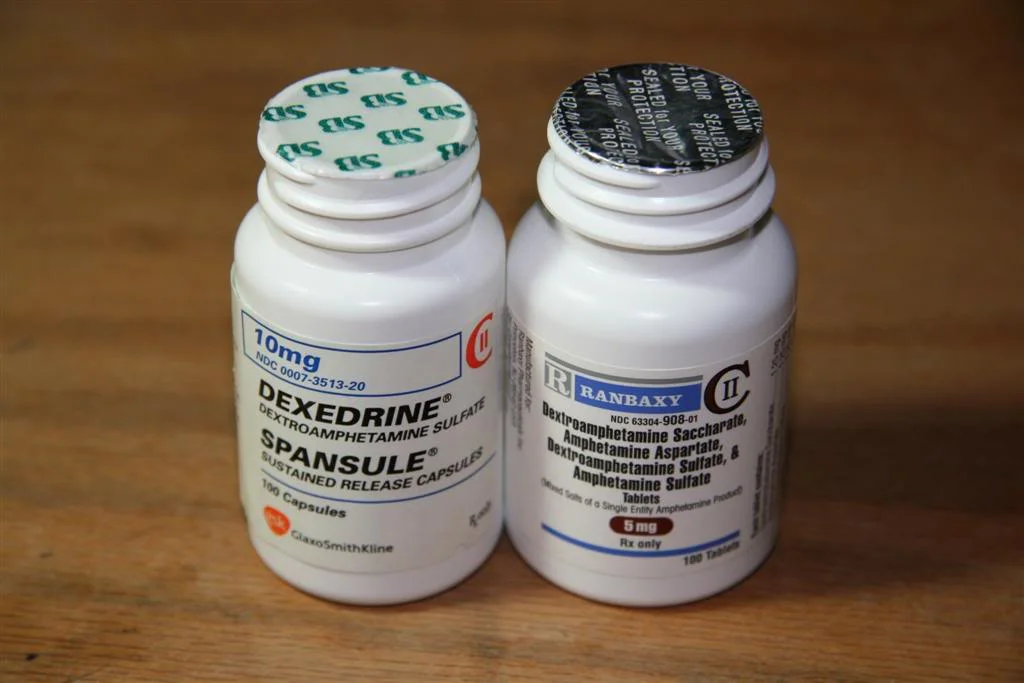
Dexedrine is available as immediate-release tablets and extended-release capsules (often called Spansule).
Adderall is available as immediate-release tablets and extended-release capsules (Adderall XR).
4. Side Effects
Since both are central nervous system stimulants, they share many similar side effects, such as:
Decreased appetite
Insomnia
Increased heart rate
Dry mouth
Anxiety or restlessness
However, some patients may tolerate one medication better than the other depending on their body chemistry.
5. Which One Is Better?
Neither medication is universally better. Doctors choose between Dexedrine and Adderall based on:
The patient’s medical history
Response to stimulant medications
Desired duration of symptom control
Side-effect tolerance
A healthcare professional can determine which option is most appropriate for an individual treatment plan.
✅ In short: Dexedrine contains only dextroamphetamine, while Adderall contains a combination of amphetamine salts, which leads to slightly different effects in the body.
Yes, at Ainmeds, we offer a secure and legal way to purchase Dexedrine without needing a prescription. We understand that not everyone has access to a prescriber or wants to disclose personal health matters. That’s why we’ve designed our service to be fast, private, and accessible.
No Doctor Visit Required:
You don’t need to schedule a clinic appointment, undergo an assessment, or obtain a formal prescription. Our system bypasses that hassle while maintaining safety and discretion.
100% Legal and Secure Ordering Process:
We work with verified pharmaceutical suppliers to ensure product authenticity. Your order is processed legally and shipped with complete tracking.
Stealth Packaging:
Every order is shipped in non-branded, tamper-proof packaging, ensuring total discretion. No one—including delivery personnel—can tell what’s inside.
Minimum Order Policy Applies:
To qualify for processing, all orders must meet the minimum of 90 pills. This ensures better pricing, packaging, and shipping efficiency for customers.
Fast Global Shipping:
With worldwide delivery and optional overnight shipping, you’ll receive your Dexedrine promptly—wherever you are, no questions asked.
Dexedrine is known for its quick onset of action, making it a preferred choice for those seeking rapid improvement in focus or wakefulness. On average, users begin to feel the effects within 30 to 60 minutes after taking the medication.
Immediate-Release Formula:
The standard Dexedrine tablet starts dissolving quickly in the digestive system, with effects usually noticeable within the first hour of ingestion.
Peak Plasma Levels:
Dexedrine reaches its peak concentration in the bloodstream within 2 to 3 hours, delivering maximum therapeutic benefit during this window.
Duration of Effect:
The effects of immediate-release Dexedrine typically last between 4 to 6 hours, making it ideal for daytime symptom control or academic/work focus blocks.
Faster Absorption on Empty Stomach:
Taking Dexedrine on an empty stomach can speed up absorption and lead to quicker onset of action, though individual sensitivity may vary.
Variability in Response:
Onset time can vary slightly based on metabolic rate, diet, weight, and prior stimulant exposure. Some users may feel effects in as little as 20 minutes, while others may take up to an hour.
The recommended dosage of Dexedrine depends on several factors, including the patient’s age, the condition being treated (such as ADHD or narcolepsy), and how the individual responds to stimulant medications. Because every patient is different, dosing should always be customized by a healthcare professional. Understanding general dosage guidelines can help patients use Dexedrine safely and effectively when obtaining treatment support through a trusted provider such as Ainmeds Pharmacy.
Starting Dose for ADHD (Children 6 and Older):
For children diagnosed with ADHD, treatment often begins with a low dose of around 2.5 mg to 5 mg once or twice daily. Doctors typically increase the dose gradually by 5 mg each week, depending on the child’s response to the medication and how well it is tolerated.
Adult ADHD Dosage:
Adults being treated for ADHD generally start with 5 mg once or twice per day. The dose may be slowly adjusted based on effectiveness and side effects. In many cases, the total daily dose should not exceed 40 mg per day, usually divided into two or three smaller doses throughout the day.
Narcolepsy Dosage Guidelines:
For individuals managing narcolepsy, Dexedrine may be prescribed in a daily range of 5 mg to 60 mg, depending on the severity of symptoms and the patient’s response. These doses are typically taken in divided amounts during the day to help maintain alertness and reduce excessive daytime sleepiness.
Time of Administration:
Dexedrine is usually taken in the morning and early afternoon. Taking the medication later in the day can interfere with sleep and may cause insomnia. A consistent dosing schedule helps maintain stable symptom control while minimizing sleep disturbances.
Extended-Release Option (Spansule ER):
The extended-release version known as Dexedrine Spansule is commonly taken once each morning. This formulation releases the medication gradually over time, providing longer-lasting symptom management that can be especially helpful for work, school, or other daytime responsibilities.
Individual Dose Adjustments:
Healthcare providers usually adjust Dexedrine doses gradually based on the patient’s therapeutic response and any side effects experienced. During this process, doctors often monitor factors such as behavior changes, appetite levels, sleep patterns, and overall treatment effectiveness to determine the most appropriate dosage.
Dexedrine may be prescribed for children 6 years of age and older who have been diagnosed with ADHD. While the medication can help improve attention and reduce hyperactive or impulsive behavior, its use in children requires careful medical oversight. Doctors monitor young patients closely because stimulant medications can sometimes affect appetite, growth patterns, or cause other side effects. When obtained through a reliable provider such as Ainmeds Pharmacy and used exactly as directed by a healthcare professional, Dexedrine can be part of an effective ADHD treatment plan.
FDA Approval for Pediatric ADHD:
Dexedrine is approved by the U.S. Food and Drug Administration for the treatment of ADHD in children aged six and older. It is generally not recommended for children under six unless a healthcare provider determines that other treatment options have not been effective.
Monitoring Growth and Development:
Children taking Dexedrine should have their height and weight checked regularly. Stimulant medications may decrease appetite, which over time could influence normal growth patterns. Routine monitoring helps doctors ensure the child continues to grow at a healthy rate.
Behavioral and Psychological Evaluation:
Before beginning treatment, pediatric patients typically undergo a thorough behavioral and psychological assessment. This evaluation helps confirm the ADHD diagnosis and ensures that Dexedrine is an appropriate option. Continuous follow-up visits allow healthcare providers to track improvement and identify any side effects early.
Importance of Proper Dosage:
Children are usually started on the lowest effective dose of Dexedrine. Because young patients can be more sensitive to stimulant medications, gradual adjustments are made carefully to avoid unnecessary side effects or overstimulation.
Medication Breaks (Drug Holidays):
Some healthcare providers suggest occasional breaks from the medication, often during weekends, holidays, or summer vacation. These “drug holidays” can help evaluate how symptoms behave without medication and may reduce the impact on appetite or growth.
Parental Guidance and Supervision:
Parents or caregivers play an important role in making sure the medication is taken correctly. They should supervise dosing, watch for changes in mood, appetite, or sleep patterns, and communicate any concerns with the child’s healthcare provider to ensure safe and effective treatment.
Like many stimulant medications, Dexedrine can produce certain side effects, particularly when the dosage is too high or the medication is not used under proper medical guidance. Being aware of possible reactions allows patients to make informed decisions and recognize symptoms early. When prescribed by a healthcare professional and obtained through a trusted provider such as Ainmeds Pharmacy, the medication can be used more safely with appropriate monitoring.
Sleep Difficulties and Insomnia:
One of the most frequently reported side effects is trouble falling asleep or staying asleep. Because Dexedrine stimulates the central nervous system, taking it too late in the day may interfere with normal sleep patterns.
Reduced Appetite:
Dexedrine commonly decreases appetite, which may lead to unintended weight loss over time. This effect is especially important to monitor in children and teenagers, who require adequate nutrition for healthy growth and development.
Elevated Heart Rate or Blood Pressure:
Stimulant medications can sometimes increase heart rate or raise blood pressure. Individuals with existing heart conditions or cardiovascular concerns should undergo routine medical checkups to ensure the medication remains safe for them.
Nervousness or Restlessness:
Some users may experience increased anxiety, jitteriness, or a sense of restlessness, especially when first starting the medication or when the dosage is higher than necessary.
Dry Mouth and Dehydration:
Dexedrine may cause dry mouth, also known as xerostomia. This can lead to increased thirst and, in some cases, dental issues if proper hydration and oral hygiene are not maintained.
Mood Changes and Irritability:
Certain individuals may notice mood shifts, emotional sensitivity, or irritability while taking Dexedrine. If these changes become noticeable or persistent, a healthcare provider may adjust the dose or consider an alternative medication.
Headaches or Dizziness:
Headaches and mild dizziness can occur, particularly during the early stages of treatment or after dosage adjustments. Drinking enough water and maintaining regular meals may help reduce these symptoms.
Yes, Dexedrine has the potential to become habit-forming, especially if misused or taken without proper medical supervision. As a Schedule II controlled substance, it carries a significant risk of both psychological and physical dependence. However, when used as prescribed and monitored by a healthcare provider, the risk of dependence can be minimized.
Stimulant Abuse Risk:
Dexedrine is sometimes abused for its euphoric or stimulating effects, particularly when taken in higher-than-prescribed doses or when the tablets are crushed and snorted. Misusing the medication in this way significantly increases the risk of addiction and other serious side effects.
Physical Dependence:
Over time, regular use of Dexedrine may lead to tolerance, meaning that the user needs higher doses to experience the same effects. As tolerance builds, there is an increased risk of withdrawal symptoms if the medication is stopped abruptly. These symptoms can include fatigue, depression, and irritability.
Psychological Dependence:
Some users may develop a psychological reliance on Dexedrine, using it to boost performance or energy levels. This dependence can create feelings of anxiety or distress when doses are missed or the medication is discontinued.
Withdrawal Symptoms:
Abruptly stopping Dexedrine can lead to a variety of withdrawal symptoms, including fatigue, mood swings, sleep disturbances, and depression. To avoid these effects, doctors recommend gradually tapering the dose under medical supervision rather than quitting cold turkey.
Safe Use to Minimize Risk:
To reduce the risk of dependence and misuse, it is crucial to follow the prescribed dosing instructions, avoid using Dexedrine recreationally, and be aware of any signs of dependency or misuse. Regular check-ins with a healthcare provider can help ensure that the medication is being used safely.
Short-Term Use Strategy:
For some patients, using Dexedrine on an as-needed basis or taking periodic breaks from the medication can help minimize the risk of developing a dependence. These breaks, sometimes referred to as "drug holidays," provide an opportunity to reassess whether the medication is still necessary and how it is affecting the patient’s overall health.
Proper storage of Dexedrine is essential to maintain its potency and prevent misuse. Being a controlled substance, it must also be kept secure and out of reach of children or unauthorized users.
Temperature Requirements:
Store Dexedrine at room temperature (68°F to 77°F or 20°C to 25°C). Avoid storing it in places exposed to extreme temperatures, like cars or windowsills.
Dry, Low-Humidity Environment:
Keep the medication in a dry location, away from areas like bathrooms or kitchens where moisture could compromise its integrity.
Original Packaging:
Store Dexedrine in its original, child-resistant container to protect the tablets from air, light, and tampering.
Away from Children and Pets:
Always store Dexedrine in a secure place, out of the reach of children and animals. Even small doses can be harmful if ingested by someone it wasn’t prescribed for.
Do Not Share Medication:
Sharing Dexedrine is illegal and dangerous. It should only be taken by the person it was ordered for and according to the advised usage.
Secure from Misuse:
Because of its high abuse potential, some users store it in locked drawers or cabinets, especially in shared living spaces or around teens.
While Dexedrine is not officially approved for general fatigue, many users report improved energy levels and wakefulness when using it. It’s primarily prescribed for conditions like narcolepsy and ADHD, but its central nervous system stimulating properties may indirectly alleviate symptoms of fatigue in specific, medically supervised contexts.
Used Off-Label for Certain Fatigue Cases:
Dexedrine has been used off-label to treat fatigue related to multiple sclerosis, traumatic brain injury, or chronic fatigue syndrome, but this must be done under physician supervision.
Improves Mental and Physical Alertness:
Dexedrine enhances norepinephrine and dopamine levels, leading to increased mental sharpness and physical energy. This effect may help those struggling with low motivation or lethargy.
Not a Replacement for Sleep or Nutrition:
Dexedrine should not be used as a substitute for proper rest, hydration, or nutrition. Its stimulating effect only masks fatigue—it doesn’t resolve the underlying cause.
Short-Term Boost with Risk of Crash:
While users may feel more energetic initially, overuse can lead to energy crashes or dependence on the drug to feel “normal,” particularly when used without medical guidance.
Potential for Abuse in Fatigue Management:
Using Dexedrine solely to fight tiredness may encourage habitual misuse, especially among students or shift workers. Caution is strongly advised.
Safer Alternatives Exist for General Fatigue:
Lifestyle adjustments, stress management, and dietary improvements are often safer, long-term solutions for non-clinical fatigue than stimulant medications.
Dexedrine is not considered safe during pregnancy, and its use is generally discouraged unless the potential benefits clearly outweigh the risks. Its stimulant properties and chemical composition can pose significant dangers to fetal development and maternal health.
Category C Risk (FDA Classification):
Dexedrine is classified as a Pregnancy Category C drug, meaning animal studies have shown adverse effects on the fetus, and there are no adequate, well-controlled studies in humans.
Increased Risk of Birth Defects:
Exposure to amphetamines during pregnancy may increase the risk of cardiac defects, low birth weight, premature birth, and other developmental complications.
May Affect Fetal Brain Development:
Stimulants like Dexedrine may alter fetal neurotransmitter regulation, potentially affecting the baby’s brain and behavior post-birth.
Withdrawal Symptoms in Newborns:
If taken late in pregnancy, Dexedrine can cause neonatal withdrawal syndrome, including irritability, tremors, and difficulty feeding.
Potential for Miscarriage or Premature Labor:
Some studies suggest an elevated risk of miscarriage or early labor associated with stimulant use in pregnancy, especially at high doses.
Consultation is Mandatory:
Pregnant or breastfeeding women must consult a healthcare provider before considering any stimulant use, including Dexedrine, even if previously prescribed.
Dexedrine can interact with a variety of medications, which may alter how it works or increase the risk of side effects. It’s crucial to discuss your full medication list with your healthcare provider before combining Dexedrine with other treatments. Below are some common interactions to be aware of:
Avoid Monoamine Oxidase Inhibitors (MAOIs):
Taking Dexedrine alongside monoamine oxidase inhibitors (MAOIs) can lead to a life-threatening hypertensive crisis, a severe increase in blood pressure. To prevent dangerous interactions, avoid using Dexedrine within 14 days of taking an MAOI.
Antidepressant Interactions:
Certain antidepressants, such as SSRIs (Selective Serotonin Reuptake Inhibitors), SNRIs (Serotonin-Norepinephrine Reuptake Inhibitors), and tricyclic antidepressants, may interact with Dexedrine and increase the risk of serotonin syndrome (a potentially life-threatening condition) or cause overstimulation. Close monitoring is required when combining these medications.
Stimulant Stacking is Dangerous:
Using Dexedrine in combination with other stimulants, such as Adderall, modafinil, or caffeine-heavy supplements, can dangerously amplify heart rate and blood pressure. This combination should be avoided to reduce the risk of cardiovascular complications.
Blood Pressure Medication Interference:
Dexedrine can interfere with the effectiveness of certain blood pressure medications, particularly beta-blockers and other antihypertensive drugs. This interaction may lead to uncontrolled blood pressure, so regular monitoring of blood pressure is advised if these medications are used together.
Antacids and pH-Altering Drugs:
Drugs that alter stomach pH, such as antacids or proton pump inhibitors (PPIs), can affect how Dexedrine is absorbed. These changes may result in unpredictable effects or reduced effectiveness of the medication.
Birth Control and Hormonal Interactions:
In rare cases, Dexedrine may influence the metabolism of certain oral contraceptives, potentially reducing their effectiveness. Women using hormonal birth control should consult their healthcare provider to ensure adequate contraception while on Dexedrine.
Always consult a healthcare provider before starting or combining medications to ensure safe and effective treatment with Dexedrine.
To ensure the safety and effectiveness of Dexedrine, certain lifestyle changes and substance restrictions should be followed. These precautions help reduce the risk of side effects, negative interactions, and ensure the medication works as intended.
Avoid Alcohol:
Consuming alcohol while taking Dexedrine can impair judgment, elevate heart rate, and hinder the body’s ability to safely metabolize both substances. It's best to avoid drinking alcohol while using Dexedrine to prevent these risks.
Limit Caffeine Intake:
When combined with Dexedrine, excessive caffeine from sources like coffee, tea, and energy drinks can cause jitters, an increased heart rate, and heightened anxiety. It's important to monitor caffeine intake and limit it to avoid overstimulation.
No Late-Day Dosing:
Taking Dexedrine too late in the day can interfere with sleep quality and cause insomnia. To minimize this risk, most doses should be taken in the morning or early afternoon.
Avoid Driving Until You Understand Your Reaction:
When starting Dexedrine, it's important to avoid driving or operating heavy machinery until you are familiar with how the medication affects you. This is particularly important in the initial stages of treatment when side effects like dizziness or restlessness may occur.
Don’t Mix with Illicit Drugs:
Combining Dexedrine with recreational or street drugs can result in serious cardiovascular or neurological consequences. This combination should always be avoided to reduce the risk of dangerous health complications.
Skip High-Fat Meals Around Dosing Time:
High-fat meals may slow down the absorption of Dexedrine, leading to a delayed onset of effects and possibly inconsistent symptom control. For best results, it’s recommended to have a light meal or snack around the time you take your medication.
Abruptly stopping Dexedrine can trigger withdrawal symptoms, especially for those who have been using it regularly or at higher doses. Gradually tapering the dose under medical supervision is the safest and most effective way to discontinue the medication.
Risk of Withdrawal Symptoms:
Common withdrawal symptoms from Dexedrine can include fatigue, depression, increased appetite, and trouble sleeping. These symptoms may last from several days to weeks, depending on how long the medication was used and the dose taken.
Psychological Discomfort:
When stopping Dexedrine, many users report feeling mentally "foggy" or less motivated. These feelings can be more intense for those who have been using the medication daily for an extended period.
Tapering Minimizes Side Effects:
To help your body adjust smoothly, it’s essential to gradually reduce the dose over time. Tapering the medication can help prevent rebound symptoms, such as hyperactivity or excessive drowsiness, that may occur if the medication is discontinued suddenly.
Not Recommended for Self-Discontinuation:
It is not recommended to stop Dexedrine on your own without consulting a healthcare provider, especially if it was prescribed for conditions like ADHD or narcolepsy. A doctor will create a tailored discontinuation plan to ensure safety and minimize withdrawal risks.
Relapse Risk in Former Users:
People who have used Dexedrine non-medically or for purposes like performance enhancement may be at higher risk for cravings or mood swings after stopping. These individuals may benefit from counseling or support groups to help manage the psychological challenges of discontinuing the medication.
Recognizing the effectiveness of Dexedrine depends on your specific condition, whether it’s ADHD, narcolepsy, or off-label use. Results can be subtle at first but become more apparent with consistent, appropriate use. Monitoring your mental clarity, productivity, and behavior is key.
Improved Focus and Concentration:
One of the earliest signs Dexedrine is working is enhanced attention span. Tasks that once felt overwhelming may now feel more manageable and less mentally draining.
Reduced Hyperactivity or Impulsiveness:
For individuals with ADHD, noticeable changes may include less fidgeting, improved ability to sit still, and greater self-control during conversations or tasks.
Better Time Management and Task Completion:
Users may find themselves able to start and complete tasks more efficiently. This improvement in executive function is a major indicator of therapeutic success.
Decreased Daytime Sleepiness (in Narcolepsy):
For narcoleptic patients, reduced uncontrollable sleep episodes and longer periods of wakefulness signal that Dexedrine is achieving its intended effect.
More Stable Emotional Responses:
Some users experience fewer mood swings or episodes of irritability, contributing to smoother interpersonal interactions.
Fewer Procrastination Habits:
An increase in initiative and motivation to tackle responsibilities can also suggest that the medication is optimizing dopamine activity in the brain.
Traveling with Dexedrine, a Schedule II controlled substance, requires careful attention to domestic and international regulations to avoid potential legal issues. Here are some steps you should take when traveling with Dexedrine to ensure a smooth journey through customs and border control.
Check the Laws of Your Destination Country:
Not all countries permit the importation or possession of amphetamine-based medications. Some countries may outright ban it, even if you have a valid prescription. Always verify the local drug import policies of your destination country before departure to avoid potential legal complications.
Bring Proper Documentation:
While Ainmeds Pharmacy may not require a prescription for purchase, when traveling internationally, you may need proof of medical necessity. Always carry a doctor’s note or prescription label with your name on it to show that the medication is prescribed to you.
Keep Medication in Original Packaging:
Always store Dexedrine in its pharmacy-issued packaging to clearly identify the medication. Carrying loose pills in a plastic bag can raise red flags for customs officials and complicate your travel.
Carry Only What You Need:
Bring only enough medication to cover your trip, with a small extra supply in case of delays. Carrying large quantities of medication can attract unnecessary attention and may be viewed as suspicious by customs officials.
Hand-Carry, Don’t Check It:
Keep Dexedrine in your carry-on luggage rather than in checked bags. This reduces the risk of theft, damage, or exposure to extreme temperatures. Additionally, it allows you to provide a quick explanation if needed.
Declare If Required:
Some countries require that all prescription medications be declared upon entry. If asked by customs officers, be honest and declare your medication to avoid any legal issues or misunderstandings.
By following these guidelines, you can travel more confidently with Dexedrine, ensuring both your safety and legal compliance.
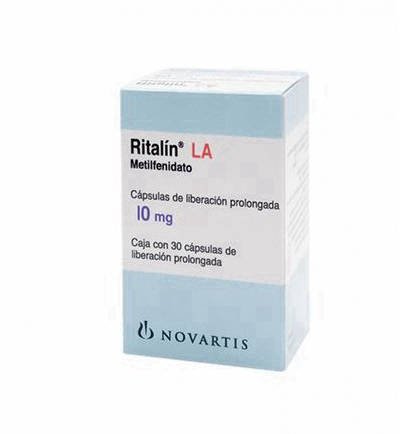
Though both Dexedrine and Ritalin are stimulant medications for ADHD, they differ in chemical composition, mechanism of action, side effect profile, and individual responsiveness. Choosing between the two often depends on how a patient reacts to each.
Active Ingredients:
Dexedrine contains dextroamphetamine, while Ritalin contains methylphenidate. Both stimulate the CNS but act on different neurotransmitters to varying degrees.
Mechanism of Action:
Dexedrine primarily increases dopamine and norepinephrine release, while Ritalin blocks the reuptake of these neurotransmitters. This difference can affect how they influence focus and alertness.
Onset and Duration:
Dexedrine’s effects usually last 4 to 6 hours (IR) and up to 10 hours (ER), while Ritalin IR lasts 3 to 4 hours, and SR or LA versions extend up to 8 hours.
Side Effect Differences:
Ritalin may cause more gastrointestinal discomfort, while Dexedrine may be more likely to cause mood swings or insomnia. Side effect tolerability varies by individual.
Prescriber Preference:
Some clinicians favor Dexedrine for inattentive ADHD and Ritalin for combined-type ADHD based on clinical experience and patient response.
Abuse Potential:
Both drugs are Schedule II, but anecdotal reports suggest Dexedrine has a slightly higher abuse potential due to its direct dopaminergic stimulation.
Yes, Dexedrine is available in an extended-release version, called Dexedrine Spansule, which offers longer-lasting symptom control and reduces the need for multiple daily doses.
Dexedrine Spansule (ER):
Dexedrine Spansule is designed to release the medication in a biphasic pattern, meaning that part of the dose is released immediately, while the rest is gradually released over several hours. This provides a steady effect throughout the day.
Duration of Action:
The extended-release version typically lasts 8 to 10 hours, providing full-day coverage. This makes it especially useful for individuals who need symptom control during long school or work hours without having to take multiple doses.
Once-Daily Dosing:
One of the main benefits of Dexedrine Spansule is its once-daily dosing, which helps improve adherence to the treatment plan and eliminates the need for midday doses, making it more convenient for many patients.
Smoother Effects:
The extended-release formulation helps provide more stable blood levels, which leads to a more consistent therapeutic effect throughout the day. This typically results in fewer peaks and crashes, a common issue with immediate-release versions.
Pediatric and Adult Use:
Dexedrine Spansule is often used for children who require consistent symptom control throughout the school day, as well as adults with long workdays who need the medication's effects to last throughout their busy schedules.
Cannot Be Crushed or Chewed:
It's important to swallow the Dexedrine Spansule capsules whole, as crushing or chewing them will destroy the time-release mechanism. This can lead to rapid absorption of the medication, which increases the risk of side effects.


Reviews
There are no reviews yet.